

.png)
Understanding Animal Communication: Exploring a Holistic Approach to Human–Animal Connection
For many people, animals are more than companions. They are family members, emotional anchors, and trusted presences throughout life’s transitions. When questions arise around behavior, well-being, or loss, some pet owners turn to animal communication as a way to deepen understanding and connection.
Animal communication is a holistic service rooted in the belief that animals communicate on energetic, emotional, or intuitive levels beyond spoken language.
Practitioners often describe their role as listening, interpreting, and relaying information between animals and their human caregivers. While perspectives on this practice vary widely, animal communication has become an increasingly visible offering within holistic wellness spaces.
This blog explores what animal communication is, how practitioners describe their work, and why many pet owners find great value in it.
What Is Animal Communication?

Animal communication is commonly described as an intuitive practice in which a practitioner seeks to receive impressions, emotions, or messages from an animal, either living or deceased. These impressions may relate to an animal’s preferences, emotional state, environment, or experiences as perceived by the communicator.
Practitioners often emphasize that they are not speaking for the animal but rather acting as a mediator or translator, offering insights that may help humans better understand their pets. Sessions may be conducted in person or remotely, sometimes using photographs or descriptions of the animal as a focal point.
It’s important to note that animal communication exists outside conventional veterinary or behavioral science. Those who explore it typically do so as a complementary, reflective practice rather than a replacement for professional animal care.
Why Some Pet Owners Seek Animal Communication

People turn to animal communication for many different reasons, often during moments of uncertainty or transition. Some of the most commonly cited reasons include:
Seeking insight into behavioral changes
Wanting to better understand an animal’s preferences or boundaries
Navigating changes such as relocation, new family members, or aging
Exploring emotional dynamics between humans and pets
Looking for a sense of closure after an animal has passed
For some, the experience offers perspective or reassurance. For others, it provides a structured space to reflect on their relationship with their animal and consider how communication, environment, or routine may be influencing behavior or connection.
Animal Communication and Behavioral Questions

In sessions focused on behavior, animal communicators may share impressions related to stress, environment, or emotional responses as they interpret them. These insights are often framed as possibilities rather than diagnoses, encouraging pet owners to consider new angles when observing their animals.
Some people find that animal communication sessions prompt them to notice patterns they hadn’t previously considered, such as changes in routine, household dynamics, or emotional cues. In this way, the practice can function as a reflective tool, helping owners engage more attentively with their pets.
Animal communicators typically emphasize that their services are not a substitute for veterinary care, training, or professional behavior support, but rather an additional perspective for those who are open to it.
Connecting With Animals Who Have Passed

Another aspect of animal communication involves connecting with animals who have passed away. For some individuals, these sessions are sought as a way to process grief or explore unresolved questions following the loss of a beloved companion.
Practitioners may describe receiving impressions related to shared memories, emotional bonds, or a sense of reassurance. While experiences vary greatly, many people approach this form of communication as a personal process of providing meaning and context.
Grief is deeply individual, and practices like animal communication can serve as one of many ways people honor their relationships with animals and reflect on the impact those bonds continue to have.
Perspectives, Beliefs, and Open-Minded Exploration

Animal communication, like many holistic practices, exists within a broad spectrum of belief. Some view it as an intuitive or spiritual exchange, while others see it as a symbolic or reflective experience that supports emotional processing and awareness.
Holistic wellness spaces often emphasize curiosity without obligation. Exploring animal communication does not require adopting a specific belief system, only a willingness to listen, reflect, and decide what resonates personally.
Respect for differing perspectives is essential. While not everyone connects with or believes in animal communication, many appreciate that it centers compassion, attentiveness, and the importance of the human–animal relationship.
How Animal Communication Fits Into Holistic Wellness

Holistic wellness focuses on the interconnectedness of physical, emotional, and energetic experiences. For people who consider animals part of their emotional ecosystem, it’s natural that wellness practices extend to those relationships as well.
Animal communication is often explored alongside other holistic services such as energy work, intuitive guidance, mindfulness practices, and grief support. In this context, it is viewed less as a solution and more as an experience of insight and connection.
Learning More at Holistic Health Fairs

Some of our Holistic Health Fair vendors offer animal communication or animal-centered therapies as services. While offerings vary from fair to fair, these events provide a welcoming environment to learn more, ask questions, and explore practices that support whole-person wellness.
If you’re curious about animal communication or other holistic approaches involving animals or pets, we invite you to explore our upcoming Holistic Health Fair events. Each event offers an opportunity to connect with practitioners, gather information, and discover what aligns with your values and interests.
Honoring the Human–Animal Bond
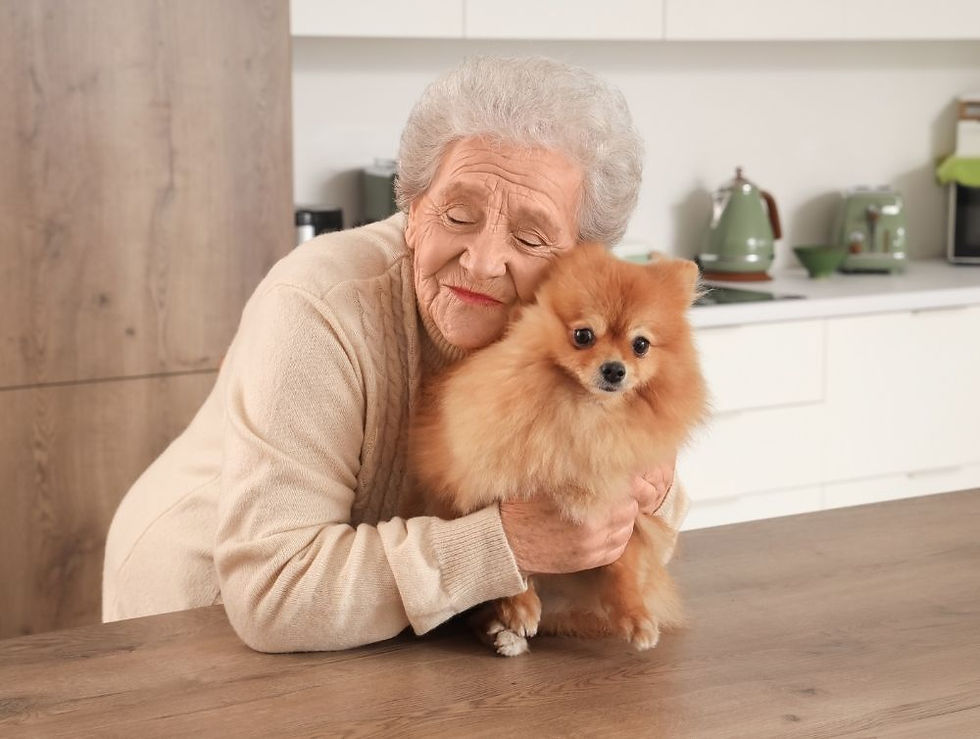
The bond between humans and animals is deeply personal and often profoundly meaningful. Practices like animal communication reflect a desire to listen more closely, understand more deeply, and honor those relationships with care and respect.
Whether approached as an intuitive practice, a reflective tool, or simply an exploration of connection, animal communication invites thoughtful consideration of how we relate to the animals who share our lives, both now and in memory.


