

.png)
Color and Wellness: How Color Influences Mood, Energy, and Everyday Well-Being
Color surrounds us every day, often shaping our experiences in subtle ways we rarely notice. From the calming blues of the sky to the vibrant greens of nature, color can influence how we feel, how we think, and even how we interact with the world around us.
In holistic wellness traditions, color has long been considered an important element of environmental balance and emotional awareness.
While modern science continues to study how color impacts mood and perception, many wellness practices already incorporate color intentionally, using it to create environments that support relaxation, focus, or emotional harmony.
Understanding the role of color in daily life can offer simple ways to bring more balance and mindfulness into your surroundings.
Why Color Affects the Way We Feel

Color perception begins with light entering the eye and being interpreted by the brain. Different wavelengths of light correspond to different colors, and our brains process these signals in ways that can influence mood and attention.
Research in environmental psychology suggests that color can affect how people perceive space, temperature, and emotional tone. For example, warmer colors like red, orange, and yellow are often associated with energy and stimulation, while cooler colors like blue and green are commonly linked with calm and relaxation.
Although individual reactions to color can vary depending on culture and personal experience, many people notice consistent emotional associations with certain hues. These subtle responses are why color is often used intentionally in design, art, and wellness spaces.
Color in Holistic Wellness Traditions
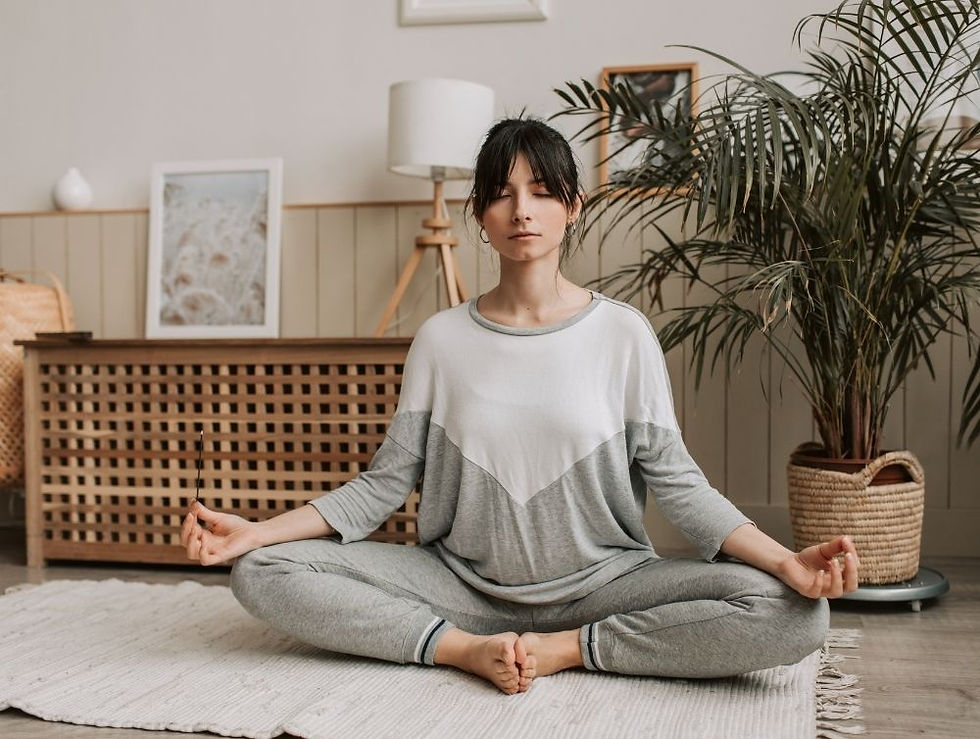
Holistic traditions across cultures have long explored the relationship between color and human experience. Some wellness philosophies connect colors with emotional states, personal awareness, or energetic balance.
For example, color symbolism appears in ancient systems such as Ayurveda, Traditional Chinese philosophy, and chakra-based frameworks. In these traditions, colors may represent different qualities such as vitality, clarity, grounding, or creativity.
Practices like color meditation, visualization, and mindful observation of color in nature are sometimes used as tools for reflection and relaxation. While interpretations differ among traditions, the underlying idea is similar: color can serve as a gentle reminder to pay attention to our inner state and environment.
The Psychology of Everyday Colors
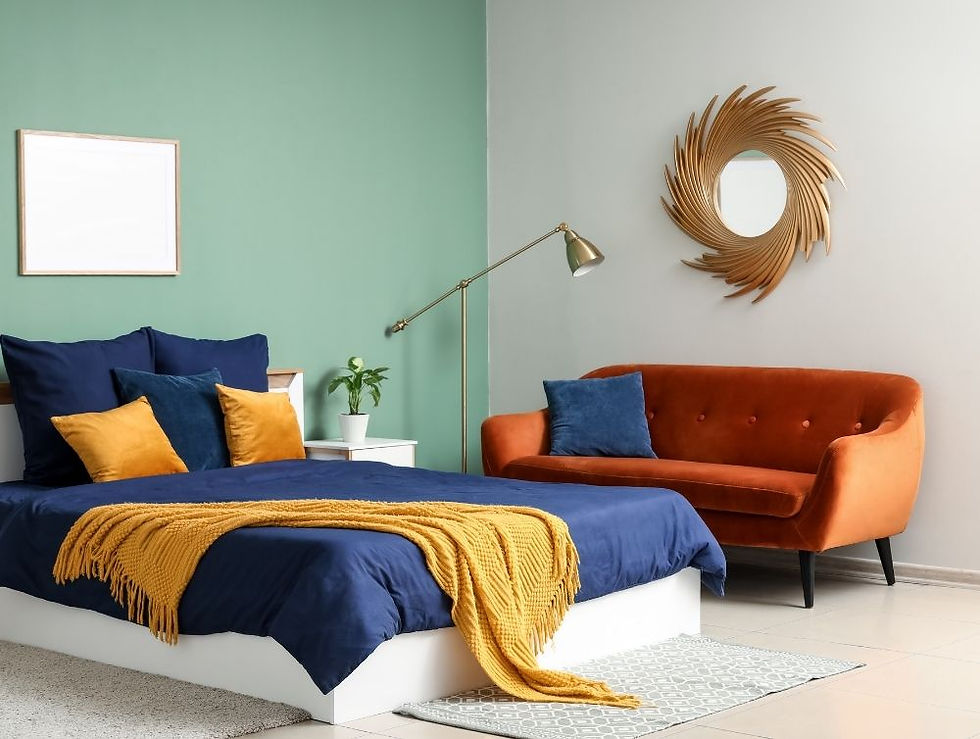
Many people intuitively notice how different colors influence the atmosphere of a space. Designers and psychologists often describe certain emotional associations connected to color:
Blue is frequently linked with calmness, focus, and tranquility. It is often used in bedrooms, offices, and meditation spaces.
Green is strongly associated with nature and balance. Exposure to green environments, such as parks or forests, is often connected with feelings of relaxation and restoration.
Yellow is commonly seen as uplifting and energizing. It can bring warmth and brightness to a space, though too much intensity may feel overwhelming for some people.
Red tends to be stimulating and attention-grabbing. It is often used sparingly to create energy or emphasis within a room.
These associations help explain why environments like hospitals, spas, and wellness studios carefully consider color choices when designing their spaces.
Bringing Color Awareness Into Daily Life

Incorporating color intentionally into your environment doesn’t require a full redesign of your home. Small changes can create noticeable shifts in how a space feels.
Some simple ideas include:
• Adding plants or natural greenery to living areas
• Choosing calming colors for bedding or relaxation spaces
• Using artwork, textiles, or lighting to introduce warm tones
• Spending time outdoors where natural colors are abundant
• Practicing mindfulness by noticing colors in your surroundings
These adjustments can make everyday environments feel more supportive, helping you cultivate spaces that align with how you want to feel.
Color in Nature and Seasonal Awareness

Nature provides one of the most dynamic examples of how color influences mood and perception. Seasonal changes bring shifts in color that often mirror the rhythm of the year.
Spring introduces fresh greens and soft blossoms, symbolizing renewal. Summer brings vibrant blues and lush plant life. Autumn is known for its warm golds, reds, and oranges that reflect transition. Winter, by contrast, often features quieter palettes of whites, grays, and deep evergreens.
Observing these natural color patterns can encourage seasonal awareness and help people feel more connected to their environment.
Exploring Holistic Wellness in Community
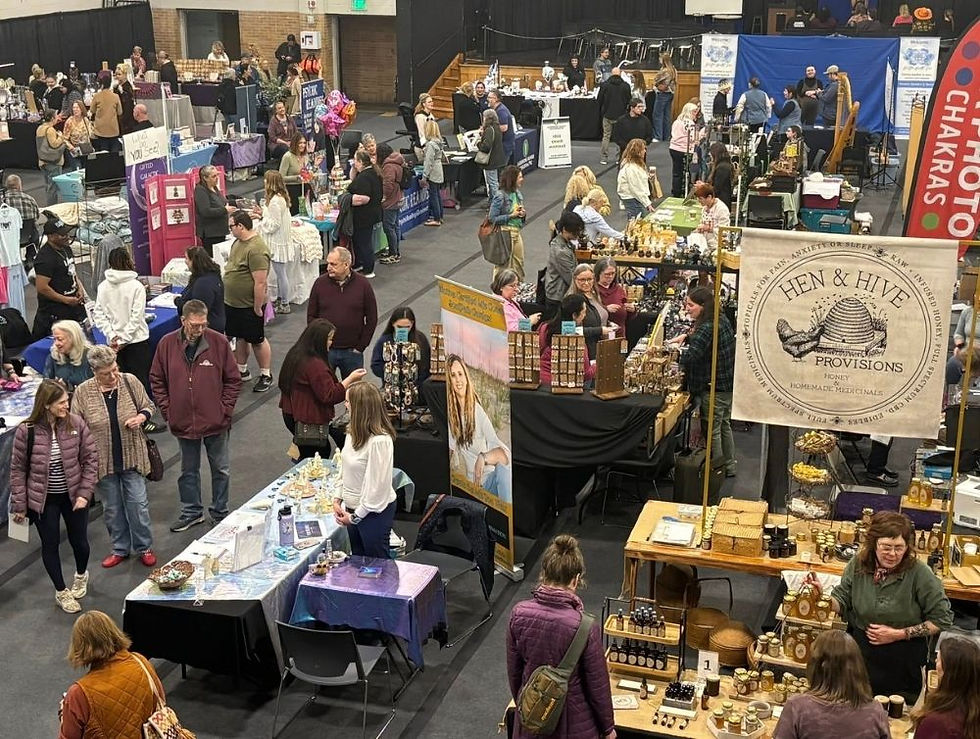
Color is just one of many elements explored within holistic wellness practices. From meditation and herbal traditions to mindfulness techniques and intuitive services, holistic wellness encompasses a wide range of approaches focused on supporting overall balance and awareness.
If you’re curious about learning more about these types of practices, attending one of our upcoming Holistic Health Fair events is a great place to start. Each event brings together a variety of wellness practitioners, educators, and small businesses offering information, products, and services related to holistic living.
While specific vendors vary from event to event, these fairs provide a welcoming environment to explore different wellness perspectives and connect with others interested in mindful, balanced living.
You can view the full schedule of events here:
Seeing Your Environment in a New Way
Color is often one of the most overlooked influences in our daily environment. Yet when we begin to notice it more intentionally, it can change the way we experience our homes, workplaces, and natural surroundings.
By paying attention to the colors around us and choosing them thoughtfully, we can create spaces that feel calmer, brighter, and more supportive of our everyday well-being.
Sometimes the smallest details, like a splash of color or a view of green outside the window, can subtly shape how we move through the day.


